
Umfragen erstellen
© Krakenimages.com, shutterstock
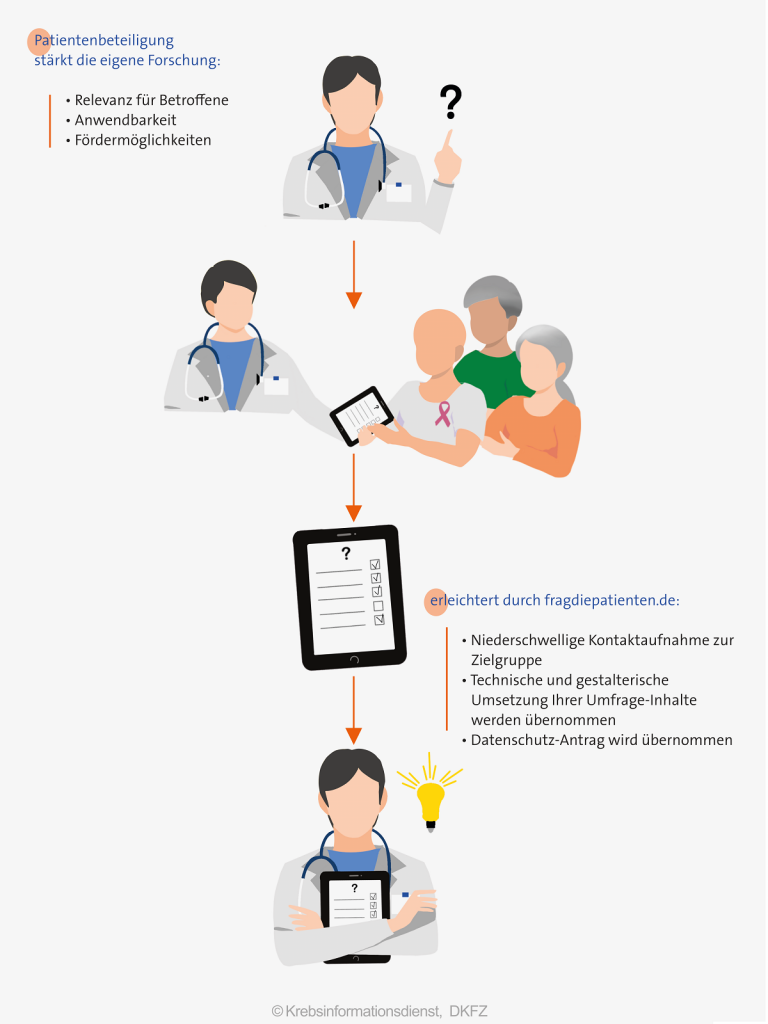
Sie planen ein neues Projekt aus dem Bereich Onkologie und möchten dazu frühzeitig die Meinung der Patientinnen und Patienten einholen?
Diese Beteiligungsplattform bietet Ihnen als Wissenschaftlern nicht nur die Möglichkeit, über Ihr geplantes Projekt zu informieren, sondern über Kurz-Umfragen ebenfalls die Meinung der Stakeholder zu erfassen. Dazu müssen Sie keinen eigenen Datenschutzantrag stellen und die Umfrage nicht selbst einrichten: Sie entwickeln das inhaltliche Konzept, wir übernehmen weitgehend die technische und gestalterische Umsetzung.
So können Sie zügig und ohne großen Zusatzaufwand die Endpunkte Ihres Projekts optimieren und die Relevanz und Anwendbarkeit Ihres Projektes erhöhen.
How UK Betting Sites Work: A Betzella Overview
The United Kingdom stands as one of the most mature and regulated online betting markets in the world. With a history stretching back centuries through horse racing, football pools, and high street bookmakers, British betting culture has evolved dramatically in the digital age. Today, millions of UK residents place wagers online through licensed platforms that operate under some of the strictest regulatory frameworks globally. Understanding how these platforms function — from licensing and odds calculation to payment processing and responsible gambling measures — is essential for anyone seeking to navigate this landscape intelligently. This overview draws on insights from Betzella, a platform dedicated to helping bettors understand the mechanics behind the UK’s online wagering ecosystem.
The Regulatory Foundation: How UK Betting Sites Are Licensed and Governed
The cornerstone of the UK online betting industry is the Gambling Commission, established under the Gambling Act 2005. This independent regulatory body oversees all forms of gambling in Great Britain, granting licences to operators who meet rigorous standards related to consumer protection, fair play, and anti-money laundering practices. Without a Gambling Commission licence, no operator can legally offer betting services to UK residents, regardless of where the company is physically headquartered.
The licensing process itself is thorough and demanding. Operators must demonstrate financial stability, submit to background checks on key personnel, prove that their software and random number generators have been independently audited, and establish robust systems for identifying and assisting problem gamblers. The Gambling Commission conducts ongoing compliance reviews and has the authority to impose substantial fines or revoke licences entirely. In recent years, several major operators have faced multi-million pound penalties for failing to uphold responsible gambling standards or for inadequate anti-money laundering controls.
Beyond the Gambling Commission, UK betting sites must also adhere to advertising standards enforced by the Advertising Standards Authority (ASA) and comply with financial regulations that govern payment processing. The interaction between these regulatory bodies creates a layered compliance environment that, while demanding for operators, provides meaningful protections for consumers. Betzella emphasises that understanding this regulatory backdrop is the first step toward making informed decisions about which platforms deserve a bettor’s trust and engagement.
It is also worth noting that the UK’s regulatory approach differs significantly from many other jurisdictions. Rather than operating a state monopoly or permitting a largely unregulated market, the UK has chosen a licensed private operator model with strict public interest obligations. This approach has been studied and partially replicated by countries across Europe and beyond, cementing Britain’s position as a global benchmark for responsible gambling regulation.
How Odds Are Set, Margins Applied, and Markets Constructed
At the technical heart of any betting site lies the process of odds compilation. Understanding this process demystifies much of what bettors encounter when they browse markets on any platform. Odds are not simply reflections of probability — they are carefully constructed figures that incorporate a bookmaker’s margin, often referred to as the „overround“ or „vig.“ This margin ensures that, across a balanced book, the operator retains a percentage of all money wagered regardless of the outcome.
Professional odds compilers, sometimes called traders, analyse vast quantities of data to establish what they believe is the true probability of any given outcome. For a Premier League football match, this might involve examining team form, injury reports, historical head-to-head statistics, weather conditions, and even market sentiment from sharp bettors whose early wagers can signal inside knowledge. Once a base probability is established, the overround is applied, typically ranging from two to fifteen percent depending on the sport and market type. More obscure markets with less available data tend to carry higher margins because the operator faces greater uncertainty.
When comparing platforms, bettors who consult resources like Betzella or examine rankings of the best uk betting sites will often find that odds quality varies meaningfully between operators. Some platforms compete aggressively on margins for high-profile events like Champions League football or major horse racing festivals, while maintaining higher margins on less popular markets. This strategic pricing reflects both competitive pressures and the operator’s assessment of where sophisticated bettors are most likely to seek value.
In-play or live betting has added considerable complexity to odds compilation. When a match is underway, traders must update odds in near real-time, responding to goals, red cards, injuries, and shifts in momentum within seconds. Automated pricing models powered by sophisticated algorithms handle much of this process, with human traders monitoring for anomalies and intervening when necessary. Betzella notes that understanding the speed and mechanics of in-play markets helps bettors recognise why certain opportunities close rapidly and why delays in placing bets can result in different prices than initially displayed.
Spread betting, which differs from fixed-odds wagering, adds another layer of complexity. Rather than backing a binary outcome at a fixed price, spread bettors buy or sell a market at a spread set by the operator, with profits and losses determined by how far the actual outcome deviates from the spread. This form of betting carries potentially unlimited liability and is regulated differently, falling under the jurisdiction of the Financial Conduct Authority rather than the Gambling Commission in some instances.
Payment Processing, Account Management, and Data Security
The practical experience of using a UK betting site involves navigating payment infrastructure that has become increasingly sophisticated over the past decade. Licensed operators must offer a range of deposit and withdrawal methods, and they are legally required to segregate customer funds from operational funds in most circumstances. This segregation ensures that, in the event of an operator’s insolvency, customer balances are protected — a lesson learned from high-profile collapses in the broader financial services sector.
Common payment methods on UK betting sites include debit cards, bank transfers, e-wallets such as PayPal and Skrill, and prepaid cards. Notably, the Gambling Commission banned the use of credit cards for gambling transactions in April 2020, a significant regulatory intervention designed to prevent consumers from betting with borrowed money. This change affected millions of accounts and required operators to update their payment systems and customer verification processes substantially.
Know Your Customer (KYC) procedures represent another critical aspect of account management. Before allowing significant withdrawals or continued high-volume betting, operators are required to verify a customer’s identity, address, and source of funds. This process involves submitting documents such as passports, utility bills, and in some cases bank statements or payslips. While some bettors find these requirements intrusive, they serve dual purposes: preventing money laundering and ensuring that operators understand their customers well enough to identify potential gambling harm early.
Data security on reputable UK platforms is governed by the General Data Protection Regulation (GDPR) as retained in UK law post-Brexit, alongside sector-specific cybersecurity expectations. Operators employ SSL encryption, two-factor authentication options, and regular penetration testing to protect customer data. Betzella advises bettors to treat their betting accounts with the same security consciousness they would apply to online banking, using unique passwords and enabling all available security features.
The rise of open banking technology is beginning to transform payment processing in the sector. Some operators now offer instant bank transfers verified through open banking APIs, reducing deposit and withdrawal times while providing additional verification data that supports KYC compliance. This technological evolution reflects the broader trend of UK betting sites adopting fintech innovations to improve the user experience while simultaneously strengthening their regulatory compliance infrastructure.
Responsible Gambling Mechanisms and the Future of UK Online Betting
Perhaps the most significant development in UK online betting over the past decade has been the dramatic expansion of responsible gambling tools and obligations. Operators are now required to offer customers a comprehensive suite of self-management tools including deposit limits, loss limits, session time limits, cooling-off periods, and self-exclusion options. The national self-exclusion scheme, GamStop, allows individuals to exclude themselves from all licensed UK gambling sites simultaneously through a single registration — a powerful intervention that Betzella highlights as one of the most important consumer protections available.
Beyond reactive tools, operators are increasingly expected to take proactive steps to identify customers showing signs of gambling harm. This involves monitoring behavioural indicators such as rapid increases in deposit frequency, chasing losses, extended session lengths, and changes in betting patterns. When these indicators are detected, operators are required to make contact with customers, offer support resources, and in some cases restrict accounts. The Gambling Commission has made clear through its enforcement actions that a reactive-only approach to responsible gambling is insufficient.
The broader landscape of UK betting is also shaped by ongoing legislative review. The UK Gambling Act 2005 has been under review, with the government publishing a white paper in 2023 that outlined significant proposed reforms. These include stake limits for online slots, mandatory affordability checks for customers who reach certain spending thresholds, and enhanced requirements around advertising restrictions. The implementation of these reforms will reshape how operators design their products and interact with customers in the coming years.
Technological innovation continues to drive change across the sector. Artificial intelligence is being deployed not only for odds compilation and fraud detection but also for responsible gambling monitoring, where machine learning models can identify at-risk behaviour patterns with greater accuracy than rule-based systems. Betzella observes that the integration of AI into both the commercial and compliance functions of betting sites represents one of the most consequential developments in the industry’s recent history, with implications that will unfold over the next decade.
Conclusion
The UK online betting industry is a complex ecosystem shaped by centuries of gambling tradition, one of the world’s most sophisticated regulatory frameworks, and rapid technological change. From the Gambling Commission’s licensing requirements to the intricacies of odds compilation, payment processing, and responsible gambling obligations, every aspect of how these platforms operate reflects a careful balance between commercial viability and consumer protection. Betzella’s analysis of this landscape underscores that informed bettors — those who understand the mechanics behind the platforms they use — are better positioned to engage with online betting thoughtfully, safely, and with realistic expectations about how these markets function.